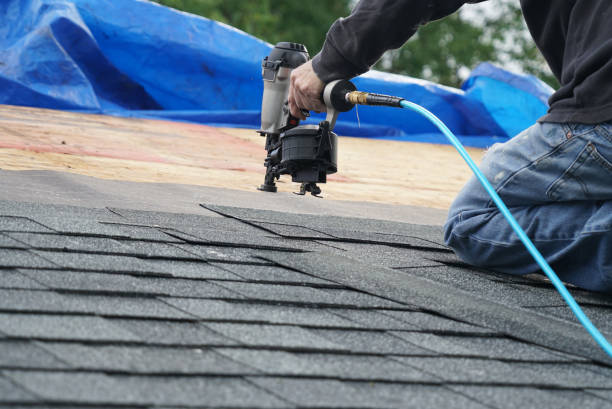
A professional roofer plays a vital role in maintaining the structural integrity and overall functionality of any building. Their expertise ensures that properties remain safe, energy-efficient, and protected from the elements. Below is an overview of the key responsibilities and tasks that define the role of a roofer.
Key Responsibilities of a Roofer
- Installing new roofing systems based on design specifications and client requirements.
- Working with various materials such as asphalt shingles, slate, metal, or tiles.
- Ensuring proper insulation and waterproofing to protect against weather damage.
- Addressing leaks, cracks, or damaged sections effectively to prevent further issues.
- Replacing broken or missing shingles or tiles to extend roof longevity.
- Repairing structural components like rafters or underlayment when necessary.
- Conducting regular inspections to identify potential issues early on.
- Cleaning debris from gutters and downspouts to ensure proper drainage.
- Applying protective coatings to improve durability against harsh weather conditions.
- Following safety regulations while working at heights to prevent accidents.
- Using personal protective equipment (PPE) such as harnesses and helmets during installations or repairs.
- Ensuring roofs are structurally sound before completing any project.
Skills and Attributes Required for Roofers
- Physical Stamina: Roofers often work in challenging environments requiring strength, balance, and endurance.
- Attention to Detail: Identifying minor defects can save property owners significant costs over time.
- Problem-Solving: Adapting quickly when unexpected challenges arise during installation or repair work.
- Technical Expertise: Familiarity with cutting-edge materials and advanced roofing technologies.
Tools Used by Professional Roofers
| Tool | Purpose | Example Material Types |
| Roofing Nail Gun | Secures shingles/tiles | Asphalt shingles, wood |
| Roofing Hammer | Drives nails manually | Shingles, felt paper |
| Safety Harness | Protects workers at heights | All types |
| Chalk Line | Ensures straight alignment during installation | Metal roofs, slate |
Importance of Hiring Professionals
- Expertise: Professionals bring years of experience in handling diverse projects.
- Safety Assurance: They adhere strictly to safety standards on every job site.
- Cost Efficiency: Proper installation prevents frequent repairs or premature replacements.
A well-maintained roof contributes significantly to the value and longevity of any property—making professional expertise indispensable for homeowners seeking durability and quality craftsmanship in their roofing solutions.
Experienced St Paul MN Roofer Providing Long-Lasting Roof Repairs
Roof repairs are a crucial part of maintaining the structural integrity and longevity of any property. A well-maintained roof protects your home or commercial building from environmental damage, prevents energy loss, and ensures the safety of its occupants. Comprehensive roof repairs involve addressing both visible issues and underlying problems that may not be immediately evident. Here’s a detailed look at what goes into effective roof repair work.
Common Roof Issues That Require Repair
- Leaks: Water infiltration caused by damaged shingles, flashing issues, or compromised underlayment.
- Broken or Missing Shingles: Often caused by heavy winds, hailstorms, or prolonged sun exposure.
- Cracked Flashing: Flashing seals around chimneys, vents, and skylights can degrade over time.
- Sagging Roof Deck: Structural weakening often caused by water buildup or excess weight on the roof.
- Ponding Water: Flat roofs are especially prone to pooling water that can lead to leaks and deterioration.
- Moss Growth: Excessive moss growth can trap moisture and weaken roofing materials.
Steps in Comprehensive Roof Repairs
- Conduct an initial inspection to identify visible damages as well as hidden deficiencies.
- Use advanced tools like infrared cameras to detect moisture trapped beneath roofing layers.
- Remove damaged shingles or tiles carefully without affecting surrounding sections.
- Clear away debris such as leaves and moss that may obstruct repair work.
- Replace rotted wood in the decking layer if necessary.
- Re-secure flashing around joints and protrusions for added water resistance.
- Match replacement shingles or tiles with existing material for consistency in appearance.
- Ensure proper overlapping during installation to prevent future leaks.
- Apply sealants around vulnerable areas like vents and chimneys for enhanced protection.
- Add waterproof membranes where needed for extra durability.
Benefits of Investing in Professional Roof Repairs
- Enhanced Longevity: Well-repaired roofs last longer due to improved structural integrity.
- Increased Property Value: A maintained roof boosts curb appeal and market value.
- Energy Efficiency Improvements: Fixing leaks helps regulate indoor temperature effectively, lowering energy bills over time.
- Safety Assurance: Addressing sagging areas reduces risks posed by collapses during extreme weather events.
Cost Considerations for Roof Repairs
| Repair Type | Average Cost Range (USD) |
| Minor Shingle Repairs | $150–$400 |
| Flashing Replacement | $300–$600 |
| Leak Fixes | $500–$1,200 |
| Extensive Structural Repair | $1,000–$3,500 |
Hiring experienced professionals ensures transparency in pricing while delivering quality workmanship tailored to your needs.
Maintaining your roof through proactive repairs not only safeguards your property but also minimizes long-term expenses associated with severe damage. Regular inspections coupled with prompt attention to minor issues can go a long way in preserving one of your property’s most vital components—the roof above your head.
Trusted Roofing Contractor St Paul MN for Long-Lasting Roof Repairs
Roof repairs are a critical aspect of maintaining the structural integrity and longevity of your property. Thorough and professional roof repair services ensure that even minor damage is addressed before it evolves into more significant problems. Below, we’ll explore the key considerations, processes, and benefits of comprehensive roof repairs.
Common Roof Issues That Require Repair
- Leaks: Water infiltration caused by damaged shingles, cracked flashing, or deteriorated underlayment.
- Broken or Missing Shingles: Often caused by high winds, storms, or aging materials.
- Sagging Roof Structure: Typically a result of poor drainage or structural issues in the support system.
- Flashing Damage: Corrosion or improper installation can lead to gaps that allow water entry.
- Damaged Gutters: Clogged or broken gutters can lead to overflowing water that damages roof edges.
Identifying and addressing these problems promptly helps maintain both the functionality and aesthetic appeal of your property.
Steps in Comprehensive Roof Repairs
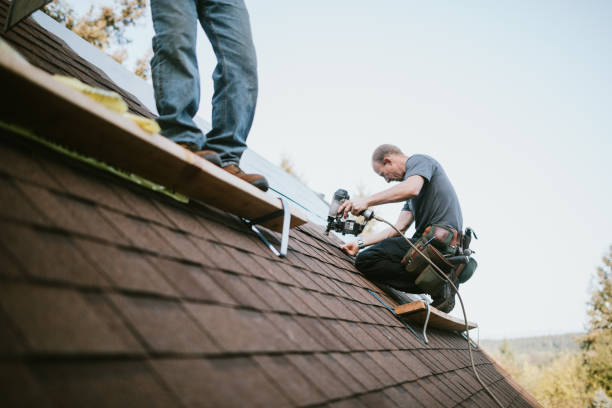
- A roofer will conduct a thorough inspection to assess damage across the entire roofing system, including shingles, flashing, gutters, soffits, and fascias.
- They document all problem areas to determine whether repairs or replacements are necessary.
- Depending on the type of roof (e.g., asphalt shingles, tiles, slate), appropriate materials are sourced for seamless integration with existing components.
- Damaged materials are removed with care to avoid further complications.
- Flashing is resealed or replaced where necessary.
- For shingle roofs: new shingles are installed in overlapping patterns for maximum durability.
- Any underlying structural issues discovered during repairs are addressed promptly.
- Ensure all repaired areas are waterproof by applying sealants and testing drainage systems.
- Post-repair inspections confirm all work has been completed properly before concluding the project.
Advantages of Professional Roof Repairs
- Durability: High-quality repairs extend your roof’s lifespan significantly while improving its resilience against future damage.
- Safety: Professional roofers follow strict safety protocols during inspections and repairs.
- Cost Savings: Addressing minor issues early prevents costly major replacements down the line.
- Improved Energy Efficiency: Fixing leaks and replacing worn-out insulation enhances thermal performance in your home.
- Enhanced Curb Appeal: Well-maintained roofs improve your property’s exterior appearance.
Preventative Maintenance Tips Post Repair
- Clean gutters regularly to ensure proper water flow away from your roofline.
- Inspect flashing after storms for signs of wear or displacement.
- Trim overhanging branches near your property to reduce debris accumulation on your roof surface.
- Schedule periodic professional inspections (typically biannually) for proactive identification of potential concerns.
| Maintenance Task | Frequency | Purpose |
| Gutter cleaning | Every 6 months | Prevent blockages/overflow |
| Professional inspections | Biannually | Early issue detection |
| Overhanging branch trimming | Annually | Minimize debris on roof |
Investing time in preventative care ensures you get maximum value from previous repairs while avoiding unnecessary expenses later on.
Comprehensive roof repairs play an essential role in preserving both residential and commercial properties alike—making them an investment every property owner should prioritize when necessary.
Comprehensive Guide to Roofing Services St Paul MN: Benefits and Installation Process
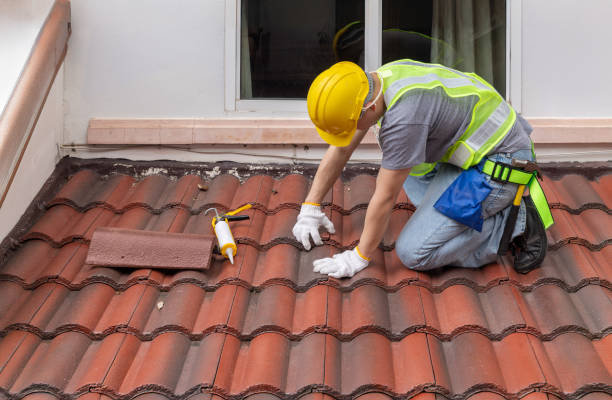
Tiled and slate roofing are among the most popular and durable roofing options available for residential and commercial properties. They offer a combination of aesthetics, longevity, and functionality that appeals to homeowners looking to make a long-term investment in their property. Below, we’ll explore the benefits of tiled and slate roofs, as well as the typical installation process for these materials.
Benefits of Tiled Roofing
- Durability: Tiles have a long lifespan, often lasting 50+ years with proper maintenance.
- Weather Resistance: Tile roofs can withstand extreme weather conditions, including high winds and heavy rain.
- Low Maintenance: Once installed, tiled roofs require minimal upkeep compared to other roofing materials.
- Fire Resistance: Many tiles are non-combustible, providing an extra layer of safety for your property.
- Energy Efficiency: Clay or concrete tiles offer excellent insulation properties, helping regulate indoor temperatures.
Benefits of Slate Roofing
- Longevity: Slate roofs can last over 100 years when properly maintained.
- Sustainability: Slate is a natural material that is environmentally friendly with minimal manufacturing processes involved.
- Elegant Appearance: The unique texture and color variations of slate provide a timeless appeal to any building.
- High Strength: Slate is resistant to cracking, chipping, or breaking under normal circumstances.
| Feature | Tiled Roofs | Slate Roofs |
| Lifespan | 50+ years | 100+ years |
| Maintenance | Low | Very low |
| Environmental Impact | Medium (concrete/clay production) | Low (natural material) |
| Cost | Moderate | Higher initial investment |
Installation Process for Tiled and Slate Roofing
- Conduct a thorough inspection of the roof structure to ensure it can support the weight of tiles or slates.
- Repair or reinforce underlying structures if necessary.
- Place waterproof underlayment over the roof deck to provide an additional layer of protection against moisture intrusion.
- Install wooden batons horizontally across the roof deck to serve as anchors for tiles or slates.
- Lay tiles or slates starting from the bottom edge of the roof upward in overlapping rows.
- Secure each tile/slate using nails or clips specifically designed for their material type.
- Install ridge caps along the peak of the roof to seal gaps between tiles/slates on either side.
- Inspect all sections carefully to ensure proper alignment, attachment, and sealing.
Professional Installation Matters
While tiled and slate roofing offers numerous benefits, professional installation is crucial in achieving optimal results. Improper techniques can lead to misalignment or leaks that compromise both functionality and aesthetics. Hiring experienced roofers ensures that every step—inspection, preparation, placement—is carried out meticulously for a durable finished product.
Roofline Solutions: Understanding Soffits and Fascias Work
Soffits and fascias play a vital role in the overall structure and functionality of your roofline. They are not just aesthetic features; they also serve as protective components that contribute to the durability and efficiency of your home. Understanding how soffits and fascias work, their importance, and how they are installed or maintained can help you preserve the integrity of your property.
What Are Soffits and Fascias?
- Soffits: Located beneath the roof overhang, soffits are horizontal panels that cover the underside of your roof edges. They are mostly made from materials like uPVC, wood, or aluminum.
- Fascias: These are vertical boards fixed along the edge of the roof, directly supporting the bottom row of tiles and carrying the weight of guttering systems.
Both elements protect your home from weather damage, prevent moisture buildup, and ensure proper ventilation within the attic space.
The Functions of Soffits and Fascias
- Prevent water infiltration into rafters or roof edges.
- Guard against pests such as birds or rodents nesting in eaves.
- Soffit vents allow for airflow into attic spaces, reducing condensation buildup that could lead to mold growth or wood rot.
- The fascia board helps support gutter systems by carrying their weight during heavy rainfall.
- When well-maintained, soffits and fascias enhance a property’s curb appeal by creating clean lines along the roofline.
Common Materials for Soffits and Fascias
| Material | Advantages | Disadvantages |
| uPVC | Durable, low maintenance, cost-effective | Limited color options |
| Wood | Traditional appearance | Requires regular maintenance |
| Aluminum | Lightweight, corrosion-resistant | Can dent under pressure |
| Composite | Combines durability with aesthetics | Higher initial cost |
Maintenance Tips for Soffits and Fascias
- Inspect regularly for cracks, peeling paint, or signs of wear.
- Clean debris from soffit vents to maintain ventilation efficiency.
- Remove moss or algae growth on fascia boards to prevent long-term damage.
- Ensure gutters are free from blockages to avoid water overflowing onto fascias.
Signs That Your Roofline Needs Attention
- Visible cracks or flaking paint.
- Sagging fascia boards caused by excessive weight from gutters.
- Watermarks on exterior walls indicating gutter issues.
- Poor attic ventilation leading to increased indoor humidity levels.
Why Professional Installation Matters
- Use high-quality materials suitable for your specific climate conditions.
- Ensure adequate ventilation through correct placement of soffit vents.
- Seamlessly integrate new installations with existing structures without compromising aesthetics.
By investing in professional roofing services for your soffit and fascia needs, you’ll protect not only your home’s structural integrity but also its visual appeal while avoiding costly repairs down the road.
Chimneys and Brickwork: Enhancing Roof Stability and Design
Chimneys and brickwork are often overlooked aspects of a roof, but they play a crucial role in both the structural stability and aesthetic appeal of a property. A well-maintained chimney not only ensures proper ventilation for fireplaces and heating systems but also contributes to protecting the roof from potential damage caused by poor masonry or weather exposure. Understanding how chimneys and brickwork impact your roof can help you make informed decisions about maintenance, repairs, or design updates.
The Role of Chimneys in Roof Stability
- Structural Integrity: A chimney is anchored into your building’s foundation, making it an essential element that ties different components of the structure together.
- Ventilation Support: Properly constructed chimneys provide efficient air circulation, preventing moisture build-up that could weaken the roofing materials over time.
- Weight Distribution: The placement and construction of a chimney help distribute weight evenly across the roofline, reducing stress on specific areas.
Common Issues with Chimneys That Affect Roof Stability
- Cracked Masonry: Over time, bricks can crack due to temperature fluctuations, water infiltration, or aging mortar.
- Leaking Flashing: Incorrectly installed or damaged flashing around the base of the chimney allows water to seep into your roof deck.
- Blockages Inside the Chimney: Debris or creosote build-up can lead to poor ventilation and increased pressure on the structure.
- Leaning Chimneys: A leaning chimney indicates foundational issues that may also put stress on your roofing system.
Enhancing Design with Quality Brickwork
- Color Variations: Choosing bricks in complementary colors enhances curb appeal while blending seamlessly with other roofing materials.
- Patterns and Textures: Intricate patterns or textured bricks bring character to your roofline architecture.
- Custom Caps: Installing decorative caps on top of chimneys not only improves aesthetics but also prevents debris from entering.
| Aspect | Functional Benefit | Aesthetic Benefit |
| High-quality bricks | Durable against weather conditions | Visually appealing design |
| Proper flashing | Prevents leaks | Clean finish around edges |
| Decorative caps | Keeps debris out | Adds elegance |
Maintenance Tips for Chimneys and Brickwork
- Schedule annual inspections to assess structural integrity.
- Repoint mortar joints when gaps appear between bricks.
- Keep flashing sealed with weatherproof materials to prevent leaks.
- Regularly clean inside surfaces to improve air flow efficiency.
By addressing these tasks proactively, you extend both the life of your chimney and its ability to support a stable roof environment.
Maintaining high-quality brickwork paired with routine inspections ensures that both function and design remain optimal—contributing not only to better performance but also enhancing the visual appeal of your property as a whole. When combined with professional expertise in installation and repair services, properly managed chimneys serve as both practical assets and striking architectural features.
Energy Efficiency and Innovative Modern Roof Designs
The roofing industry has evolved significantly over the years, with modern roof designs now incorporating advanced materials and innovative techniques that prioritize energy efficiency. Homeowners and businesses alike are increasingly seeking roofing solutions that minimize energy costs, reduce environmental impact, and enhance overall comfort. Below, we explore key aspects of energy-efficient roofs and the modern innovations shaping today’s roofing landscape.
The Importance of Energy-Efficient Roofing
Energy-efficient roofing systems play a pivotal role in reducing heating and cooling demands for properties. Traditional roofs can absorb significant amounts of heat, which leads to higher indoor temperatures during warmer months. Conversely, poorly insulated roofs can allow heat to escape during cold weather. Energy-efficient roofs address these challenges by creating a more thermally regulated environment.
- Reduced Energy Bills: Lower energy consumption translates to cost savings over time.
- Eco-Friendly Solution: By reducing reliance on artificial heating or cooling systems, these roofs contribute to lower carbon emissions.
- Improved Indoor Comfort: Consistent temperatures indoors benefit occupants year-round.
- Long-Term Durability: Many energy-efficient materials are designed for longevity, reducing the need for frequent maintenance.
Key Features of Modern Roof Designs
- Composed of reflective materials or light-colored coatings.
- Reduces heat absorption by reflecting sunlight away from the building.
- Incorporate vegetation layers on rooftops.
- Provide natural insulation while improving air quality and managing rainwater runoff.
- Utilize photovoltaic (PV) panels or solar tiles to harness renewable solar energy.
- Generate electricity directly for residential or commercial use.
- Feature a core layer of rigid foam insulation sandwiched between durable exterior shells.
- Enhance thermal performance without compromising structural integrity.
- Promote airflow beneath the roof deck to reduce heat buildup in attics.
- Prevent moisture accumulation that could lead to mold growth or structural damage.
Comparison Table: Traditional vs Modern Roofing Features
| Feature | Traditional Roofing | Modern Roofing |
| Heat Absorption | High | Low (with cool roof technology) |
| Sustainability | Limited | Eco-friendly solutions like solar panels |
| Lifespan | 15-20 years (typical asphalt shingles) | 25+ years (metal or advanced materials) |
| Insulation Capability | Moderate | High |
| Initial Cost | Lower | Higher (but offset by long-term savings) |
Tips for Choosing an Energy-Efficient Roof Design
- Climate Suitability: Choose a design tailored to your local climate conditions for maximum impact.
- Material Quality: Opt for high-quality materials with proven durability and efficiency ratings.
- Professional Installation: Work with certified roofing contractors who specialize in modern roofing technologies.
- Roof Orientation: For solar panels or cool roofs, ensure proper orientation to maximize sunlight exposure or shading benefits where applicable.
Energy-efficient and innovative modern roof designs not only enhance curb appeal but also provide tangible benefits in terms of cost savings and sustainability. By understanding available options and consulting with experts, property owners can make informed decisions that add value both environmentally and economically.
Expertise and Technical Knowledge
- Material Selection: Professionals can guide you in selecting the best materials for your specific climate, architectural style, and budget.
- Proper Installation Techniques: They ensure your roof is installed correctly to avoid common issues such as leaks or poor ventilation.
- Problem Solving: With their expertise, they can quickly identify underlying issues that may not be visible to untrained eyes.
By leveraging this knowledge, professional roofers deliver high-quality workmanship that ensures longevity and performance.
Enhanced Safety
- Safety Training: They are trained to follow stringent safety protocols while working at heights.
- Specialized Equipment: Roofers use tools like harnesses, scaffolding systems, or fall arrest systems to prevent accidents.
- Insurance Coverage: Reputable roofing companies carry liability insurance to protect both their workers and homeowners in case of mishaps.
Attempting DIY roof repairs without these supports can lead to costly accidents or injuries.
Long-Term Cost Savings
- Correct installation reduces the likelihood of water damage or structural issues.
- Expert maintenance services prolong the life span of your roof.
- Access to supplier connections often means discounts on high-quality materials.
| Service Type | DIY Risk Cost | Professional Value |
| Roof Installation Mistakes | Repairs/Leaks ($500+) | Secure & Warranty-Covered Work |
| Maintenance Oversights | Higher Energy Bills | Proper Inspections |
| Incorrect Material Choices | Premature Replacement | Advice on Durable Materials |
Investing in professional services ensures issues are addressed proactively before they become expensive problems.
Warranty Protection
- Peace of mind knowing repairs will be covered if something goes wrong.
- Extended warranties from manufacturers due to proper installation practices.
- Protection against defects in material quality or craftsmanship.
Without hiring experts, you risk voiding manufacturer warranties due to improper installations done by non-professionals.
Increased Property Value
A well-maintained roof enhances curb appeal while increasing market value should you decide to sell your property. Buyers often prioritize homes with durable roofs that won’t require immediate repairs or replacements after purchase.
Features like energy-efficient designs (e.g., solar panel integration) installed by professionals further boost resale values by appealing to eco-conscious buyers.
Professional roofing services provide a combination of technical skill, cost-effectiveness, safety assurance, and improved property value that DIY efforts typically cannot match. By prioritizing expert care for your roof now, you secure long-term protection for one of your property’s most vital assets.
- Top 5 Reasons to Hire a St Paul MN Roofer for Your Roofing Needs
- The Most Common Mistakes Homeowners Make When Hiring a St Paul MN Roofer and How to Avoid Them
- Understanding the Role and Responsibilities of a St Paul MN Roofing Company
- Essential Roofing Tips from a St Paul MN Roofing Company Every Homeowner Should Know
- Services Offered by a St Paul MN Roofer for Your Roofing Needs
- Signs You Need to Hire a Roofing Contractor St Paul MN