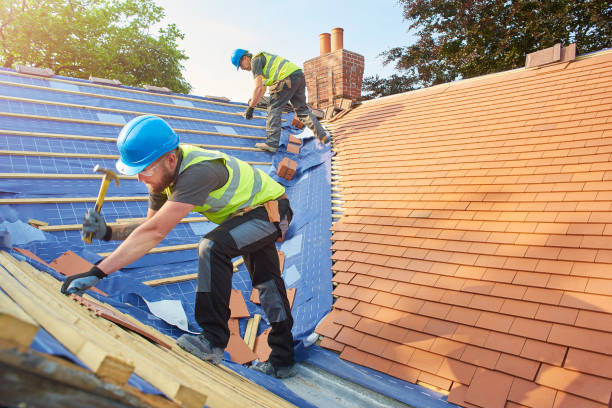
Roofing issues can often go unnoticed until they become significant problems, leading to costly repairs or even a full roof replacement. As a homeowner, familiarizing yourself with common roofing problems can help you take timely action and protect your home from unnecessary damage. Below are some of the most prevalent roofing issues every homeowner should be aware of.
1. Leaks and Moisture Intrusion
Roof leaks are one of the most common problems homeowners face. These can occur for several reasons, including:
– Damaged or missing shingles
– Cracked flashing or sealants
– Improperly sealed roof penetrations, such as chimneys or skylights
Water intrusion not only damages the interior of your home but also creates an environment for mold and mildew to thrive. Regular roof inspections can help identify leaks early, preventing long-term damage.
2. Damaged or Missing Shingles
Shingles play a vital role in protecting your roof from the elements. Over time, they may:
– Curl due to prolonged exposure to sunlight and heat
– Crack under harsh weather conditions like hailstorms
– Go missing during high winds or storms
If damaged or missing shingles aren’t addressed promptly, they can expose your roof to water infiltration and structural damage.
3. Poor Ventilation
Proper attic ventilation is essential for maintaining the health of your roofing system. Without adequate airflow, moisture can accumulate in the attic, leading to:
– Mold growth
– Warping of wooden structures beneath the roof
– Reduced lifespan of roofing materials
Homeowners should ensure that their ventilation systems are functioning optimally as part of routine maintenance.
4. Clogged Gutters and Downspouts
Neglected gutters and downspouts can cause water to back up onto the roof, leading to issues like rotting fascia boards and water pooling on flat roofs. Homeowners should clean their gutters regularly, especially after heavy storms or during fall when leaves accumulate rapidly.
| Gutter Issue | Potential Impact |
| Leaves/debris buildup | Water overflow onto roofing materials |
| Sagging gutters | Stress on fascia boards |
| Improper drainage | Pooling water around foundation |
5. Flashing Failures
Flashing is used around roof features like chimneys, vents, and skylights to prevent water from seeping through gaps. Over time, flashing can deteriorate due to:
– Rusting (in metal flashing)
– Drying out (in rubberized flashing)
– Poor installation practices
Regularly inspecting these areas ensures that any potential leaks are caught before causing interior damage.
6. Structural Damage From Storms
Strong winds, hailstorms, heavy snow loads, and falling debris can lead to significant structural damage on roofs over time:
Wind may tear off shingles entirely
Hailstones leave pockmarks that compromise shingle durability
* Snow accumulation leads potentially toward dangerous weight strains.
The 5 Most Common Roofing Problems a St Paul MN Roofer Can Solve for Homeowners
Proper roof maintenance is essential to safeguard your home from damage, but some roofing issues are best handled by experienced professionals. Attempting to fix these problems without the proper tools, expertise, or safety measures can lead to further damage or personal injury. Below are five common roofing problems that homeowners should always leave to professional contractors for effective resolution.
1. Leaky Roofs
- Accurately locate the source of leaks.
- Address underlying structural damage, such as rotting wood or weakened insulation.
- Use high-quality materials to ensure a durable repair.
Attempting DIY repairs on a leaky roof could result in improper sealing, leading to recurring problems and additional costs.
2. Damaged or Missing Shingles
- Match replacement shingles with existing ones for a seamless appearance.
- Inspect for underlying damage caused by missing shingles.
- Ensure proper installation and alignment to maintain roof integrity.
Improperly installed shingles can void manufacturer warranties and reduce the lifespan of your roof.
3. Sagging Rooflines
- Assess whether compromised rafters or trusses need reinforcement or replacement.
- Evaluate potential water damage that may have weakened structural components.
- Develop a solution that ensures long-term stability and safety.
Ignoring this issue may lead to costly repairs in other parts of your home if left unresolved.
4. Poor Roof Ventilation
- Excessive heat in attic spaces during summer months.
- Ice dams forming along eaves in winter.
- Higher-than-normal energy bills due to overworked HVAC systems.
Professional contractors evaluate your ventilation design and install appropriate venting solutions like ridge vents or soffit vents while ensuring airflow complies with building codes.
5. Flashing Damage
- Remove damaged flashing without disturbing surrounding materials.
- Install durable replacements designed specifically for each application area.
- Seal joints effectively using industry-standard techniques.
Faulty flashing can allow water intrusion into vulnerable areas of your home if not addressed correctly.
The Importance of Hiring a Roofing Contractor St Paul MN Residents Trust
| Problem | Risks of DIY Repairs | Benefits of Hiring Professionals |
| Leaky Roofs | Misidentified sources; recurring leaks | Accurate diagnosis; durable solutions |
| Missing Shingles | Voided warranties; improper installations | Seamless repairs; extended roof life |
| Sagging Rooflines | Worsened structural compromise | Expert reinforcement; enhanced stability |
| Poor Ventilation | Mold growth; higher energy costs | Code-compliant designs for better airflow |
| Flashing Damage | Persistent leaks | Precision sealing with high-quality materials |
For any significant roofing concerns beyond basic maintenance tasks like clearing debris from gutters, partnering with a licensed roofer ensures peace of mind while protecting one of your home’s most valuable assets: its roof structure itself.

The 5 Most Common Roofing Problems Homeowners Should Leave to Professionals Offering Roofing Services St Paul MN
Roofing issues can cause significant damage to your home if not addressed promptly. While some minor fixes might seem manageable, there are certain roofing problems that require the expertise of a professional contractor. Attempting to repair these issues on your own could lead to more severe damage or even safety risks. Below are five common roofing problems that should always be handled by professionals.
1. Leaking Roofs
Roof leaks are one of the most frequent issues homeowners face, and they can stem from various sources such as broken shingles, damaged flashing, or improperly sealed roof vents. Identifying the exact source of a leak is often challenging without professional tools and expertise.
- Temporary fixes may not address the root issue.
- Improper sealing can lead to water intrusion and mold growth.
- Walking on a wet or damaged roof increases the risk of injury.
A professional contractor will not only locate the source of the leak but also ensure it is properly repaired to prevent further damage.
2. Damaged Flashing
Flashing, which is typically installed around chimneys, vents, and skylights, serves as a barrier against water penetration. Over time, flashing can deteriorate due to weather exposure or improper installation.
- Replacing or repairing flashing requires precise measurements and material knowledge.
- Incorrect flashing installation can lead to widespread water damage.
Professionals have the experience to ensure proper alignment and sealing for long-lasting protection.
3. Sagging Roofs
A sagging roof is often a sign of structural issues caused by water damage, weakened decking, or improper installation. This problem poses serious safety concerns if left unaddressed.
- Contractors will inspect the underlying cause of sagging.
- They may need to replace structural components like beams or rafters.
Attempting DIY repairs for structural issues is dangerous and could worsen the problem over time.
4. Cracked or Missing Shingles
Shingles protect your roof from external elements such as rain and UV rays. Over time, they may crack, curl, or go missing due to aging or high winds. While replacing one or two shingles might appear simple, it requires careful handling.
- Improper attachment can lead to further shingle loss during storms.
- Mismatching new shingles with existing ones affects aesthetics and performance.
Professional roofers have access to high-quality materials and tools that ensure proper repairs without compromising your roof’s integrity.
5. Ventilation Problems
Adequate ventilation is essential for maintaining a healthy roofing system as it prevents moisture buildup in the attic and regulates temperature fluctuations. Poor ventilation can result in premature aging of your roof due to excessive heat retention or moisture-related damage.
- Ice dams forming in winter.
- Excessive attic heat during summer months.
Professionals assess ventilation systems comprehensively and recommend solutions such as vent installation or attic insulation upgrades tailored to your home’s needs.
Why Hiring Professionals Is Critical for These Issues
Roofing professionals bring specialized knowledge that ensures long-term solutions rather than temporary fixes. They also prioritize safety by using proper equipment while adhering to building codes and regulations.
| Issue | Risks of DIY Repair | Benefits of Professional Repair |
| Leaking Roofs | Water intrusion & mold growth | Thorough inspection & durable repair |
| Damaged Flashing | Increased water penetration | Precise material alignment & sealing |
| Sagging Roof | Structural instability | Safe replacement of beams/rafters |
| Missing Shingles | Aesthetic mismatch & further shingle loss | Seamless integration with existing roof |
| Ventilation Problems | Moisture buildup & premature aging | Comprehensive system optimization |
Relying on skilled contractors not only protects your home but also saves you time and money in avoiding future repairs caused by incomplete or incorrect work. Always consult an experienced roofer when dealing with these five common roofing problems for peace of mind and long-term reliability in maintaining your home’s structure.
Understanding Roof Storm Damage and How It Impacts Your Home
Roof storm damage can be a homeowner’s worst nightmare. Severe weather conditions such as heavy rain, high winds, hailstorms, and snow can wreak havoc on your roof, compromising its structural integrity and leading to costly repairs. Understanding the types of roof storm damage and how they impact your home is crucial for timely repairs and maintaining the safety of your property.
Common Types of Roof Storm Damage
- Wind Damage: High winds can lift shingles, causing them to crack or break. In severe cases, sections of shingles may be completely torn away, leaving parts of your roof exposed to moisture.
- Hail Damage: Hailstones vary in size but can create dents or punctures in roofing materials. Asphalt shingles are especially susceptible to granule loss, which reduces their effectiveness at protecting your home.
- Water Damage: Heavy rainfall can lead to water pooling on flat roofs or seepage through damaged areas, potentially causing leaks inside the home.
- Debris Damage: Falling branches or flying debris during storms can puncture or tear roofing materials. Debris buildup in gutters also restricts drainage, increasing the risk of water pooling.
- Snow and Ice Damage: Prolonged snow accumulation adds weight to a roof while ice dams form at the edges, preventing proper drainage and potentially leading to leaks.
How Roof Storm Damage Impacts Your Home
- Structural Weakness
Prolonged exposure to storm-related issues like leaks or missing shingles weakens the structural foundation of a roof over time. This could lead to sagging roofs or even collapse in extreme cases. - Energy Efficiency Loss
Damaged roofing materials compromise insulation, allowing air leaks that increase heating and cooling costs. - Interior Water Damage
Leaks caused by storms often result in stained ceilings or walls as well as mold growth if moisture isn’t promptly addressed. - Decreased Property Value
Visible signs of roof damage reduce curb appeal and lower resale value during a home inspection.
Steps You Should Take After Storm Damage
- Inspect Your Roof Safely
Perform a visual inspection from ground level using binoculars if necessary; avoid climbing onto a potentially unsafe surface after severe weather events. - Document All Visible Issues
Take photographs or videos of apparent damages like missing shingles, dents from hailstones, or fallen debris for insurance purposes. - Contact a Professional Roofer
Hire an experienced roofing contractor who specializes in storm damage assessments for a thorough inspection and repair recommendations. - File an Insurance Claim
Notify your homeowner’s insurance provider with all documented evidence so they can evaluate coverage for repair costs.
Preventive Measures Against Storm Damage
- Trim overhanging tree branches near your property.
- Ensure proper gutter maintenance for efficient water drainage.
- Schedule regular professional inspections to identify vulnerabilities before major weather events.
- Upgrade shingles or other roofing materials rated for high wind resistance when replacing old roofs.
By addressing issues promptly after a storm and taking preventive steps beforehand, you’ll protect both your home’s structure and its long-term value effectively against future incidents caused by severe weather conditions.
The Importance of Gutters and Downspouts in Protecting Your Roof
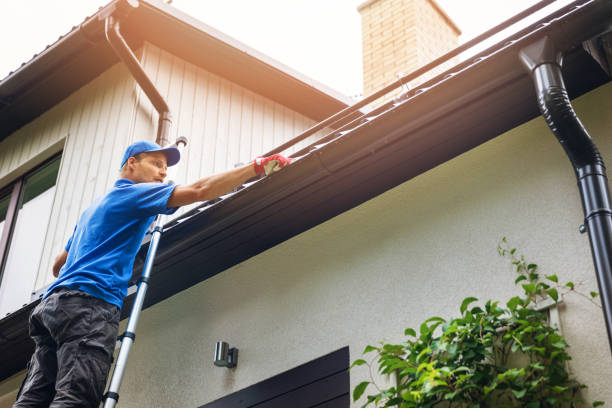
Proper maintenance of gutters and downspouts is a critical aspect of roof care that homeowners often overlook. These components work as a cohesive system to channel rainwater and debris away from the roof, walls, and foundation of your home. Without them, you may face severe structural problems over time. Below, we’ll explore why gutters and downspouts are so essential for safeguarding your roof.
How Gutters Protect Your Roof
- Water Diversion: Gutters ensure rainwater is directed away from the roof’s edge, preventing pooling that can lead to leaks or shingle deterioration.
- Minimizing Ice Dams: In colder climates, proper gutter drainage can reduce the formation of ice dams, a common cause of winter roof damage.
- Preventing Fascia Damage: Water overflowing from clogged gutters can soak into fascia boards, causing rot and compromising the structural integrity of your roof’s edge.
The Role of Downspouts in Your Roofing System
- Water can collect near your home’s foundation, increasing the risk of basement flooding or structural shifts.
- Excess water may splash back onto siding or seep under shingles at lower levels, leading to moisture intrusion and mold issues.
- Soil erosion around your property becomes more likely, which may also affect landscaping.
Common Problems with Gutters and Downspouts
| Problem | Cause | Effect on Roof |
| Clogging | Leaves, twigs, debris accumulation | Water pooling; shingle damage |
| Leaks | Cracks or separation at joints | Water penetration in fascia |
| Improper Installation | Poor alignment or attachment | Inefficient drainage; overflow |
| Rusting (metal gutters) | Exposure to moisture over time | Compromised material strength |
Why Regular Maintenance is Non-Negotiable
Routine inspection and cleaning are paramount for ensuring your gutter system functions optimally over time. Homeowners should aim for semi-annual maintenance—typically during spring and fall—to address potential blockages caused by falling leaves or other seasonal debris.
- Remove loose debris using gloves or tools such as scoops.
- Flush out remaining dirt with a garden hose.
- Inspect for cracks, rust spots, or sagging sections.
- Tighten loose fasteners supporting the system.
- Ensure all downspout extensions lead water at least five feet away from your foundation.
Upgrades That Enhance Gutter Performance
- Gutter Guards: Mesh covers prevent debris from entering the gutter while allowing water flow.
- Seamless Gutters: Minimize leaks by reducing connection points that typically weaken over time.
- Rain Chains: A decorative alternative that directs water effectively without requiring traditional downspouts.
By investing in these upgrades where needed—and staying proactive about upkeep—homeowners can extend their roofing system’s lifespan while mitigating potentially costly repairs caused by neglecting gutters and downspouts.
Deciding Between Full Roof Replacement vs. Repair: What You Need to Know
Deciding whether to repair or replace your roof is a significant decision for any homeowner. The right choice depends on several factors, including the extent of damage, the age of your roof, and your long-term goals for your home. Below, we’ll explore the key considerations to help you make an informed decision.
Factors to Consider
- Asphalt shingles typically last 20–30 years. If your roof is nearing the end of its expected lifespan, replacement may be more cost-effective than investing in continuous repairs.
- Metal roofs and slate roofs have longer lifespans (up to 50 years or more), so repairs might be sufficient if the damage is localized.
- Extent and Type of Damage
Some issues can be addressed with simple repairs, while others indicate a larger problem that warrants replacement: - Minor Repairs: Fixing small leaks, replacing a few damaged shingles, or addressing flashing issues are examples where repairs may suffice.
- Major Structural Damage: Sagging roofs, widespread water damage, or significant storm-related destruction often require a full replacement.
- Multiple Repairs Over Time: If you’ve had frequent roofing issues in recent years, it might be time to invest in a new roof.
- Energy Efficiency Goals
A new roof with updated materials can improve energy efficiency by providing better insulation and reflecting solar heat. If your current roof lacks these features and has poor ventilation, replacing it could lower utility costs over time. - Budget Constraints vs. Long-Term Value
Repairs are generally less expensive upfront but may become costlier over time if problems keep recurring. A full replacement involves higher initial costs but offers long-term durability and peace of mind.
Pros and Cons of Roof Repair
| Pros | Cons |
| Lower initial cost | May not address underlying issues |
| Faster project completion | Frequent repairs can add up |
| Ideal for localized damage | Limited improvement in aesthetics |
Pros and Cons of Roof Replacement
| Pros | Cons |
| Long-term durability | Higher upfront costs |
| Enhanced curb appeal | Longer project timeline |
| Improved energy efficiency options | May not always be necessary |
Situations Where Replacement Might Be Better
- Your roof has suffered severe storm damage (e.g., large sections torn off by wind).
- The current material is outdated or no longer matches modern safety standards.
- Mold or rot has spread extensively through roofing materials or decking layers.
Tips for Making the Choice
- Schedule an inspection with a professional roofing contractor to assess the condition thoroughly.
- Get multiple quotes for both repair and replacement options before deciding.
- Factor in warranties; many new roofs come with extended warranties that protect against defects for decades.
By carefully evaluating these factors and consulting experienced professionals as needed, homeowners can ensure their roofing investment suits both their budgetary needs and long-term objectives.
- Top 5 Reasons to Hire a St Paul MN Roofer for Your Roofing Needs
- The Most Common Mistakes Homeowners Make When Hiring a St Paul MN Roofer and How to Avoid Them
- Understanding the Role and Responsibilities of a St Paul MN Roofing Company
- Essential Roofing Tips from a St Paul MN Roofing Company Every Homeowner Should Know
- Services Offered by a St Paul MN Roofer for Your Roofing Needs
- Signs You Need to Hire a Roofing Contractor St Paul MN